

Categories
Real Estate Guides, New Jersey Real Estate, South Jersey Real Estate, Real Estate Market Insights, Housing GuidePublished January 29, 2026
What Sellers Must Legally Disclose in New Jersey

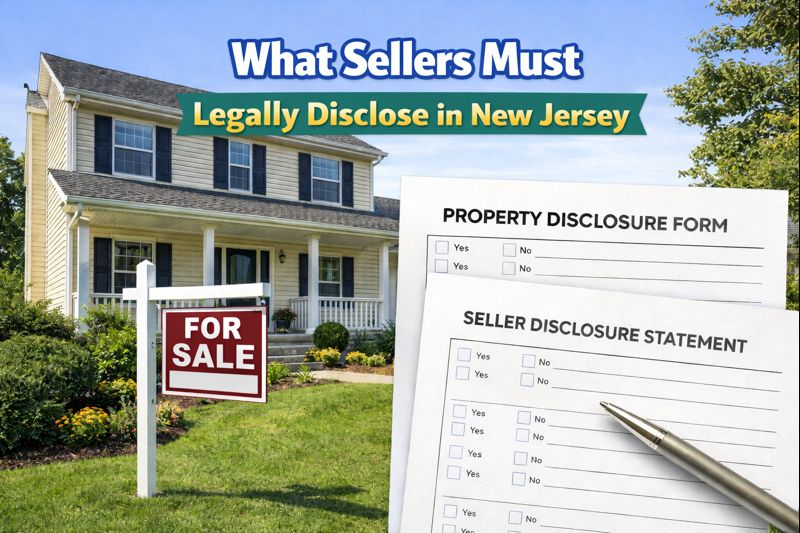
Selling a home in New Jersey comes with clear legal obligations. Sellers are required to disclose known material facts about a property that could impact a buyer’s decision or safety. Failing to do so can lead to legal disputes — even after closing.
Mary Murphy of The Murphy Group explains:
“Disclosure isn’t about oversharing — it’s about honesty. If you know something that could affect the home’s value or livability, it needs to be disclosed.”
Here’s a clear breakdown of what sellers must legally disclose in New Jersey.
🏡 1. Property Condition & Structural Issues
Sellers must disclose known defects, including:
- Foundation cracks or movement
- Roof leaks or replacement history
- Structural repairs or prior damage
- Basement water intrusion or seepage
Mary notes:
“If you’ve repaired something in the past, that history matters. Buyers deserve to know.”
💧 2. Water, Mold & Environmental Concerns
Required disclosures include:
- Past or current flooding
- Drainage problems
- Mold or mildew issues
- Wetlands or flood zone designation
Mary adds:
“Water issues are one of the biggest deal-breakers for buyers — and one of the biggest liability risks for sellers.”
🐜 3. Termites & Pest Damage
- Past termite infestations
- Wood-destroying insect damage
- Any treatment history or repairs
“Even if the issue was resolved, it still needs to be disclosed,” Mary explains.
⚡ 4. Mechanical & System Defects
Sellers must disclose known problems with:
- Electrical systems
- Plumbing or sewer lines
- Heating, cooling, or ventilation systems
- Appliances included in the sale
Mary notes:
“If a system works inconsistently or has known issues, disclose it — don’t hope an inspection misses it.”
⚠️ 5. Environmental & Health Hazards
New Jersey requires disclosure of:
- Lead-based paint (for homes built before 1978)
- Asbestos (if known)
- Underground oil tanks
- Radon test results (if conducted)
Mary emphasizes:
“Environmental disclosures are critical — especially in older NJ homes.”
🧾 6. Legal, Zoning & Property Limitations
Sellers must disclose:
- Easements or shared driveways
- Zoning restrictions or nonconforming uses
- Boundary disputes
- Open permits or unresolved code violations
“Legal limitations can affect how a buyer uses the property,” Mary says.
“That’s why transparency is essential.”
📄 7. The Seller’s Property Condition Disclosure Statement
Most NJ home sales require completion of the Seller’s Property Condition Disclosure Statement, which covers:
- Structural condition
- Environmental factors
- Utilities and systems
- Legal considerations
Mary adds:
“This form protects everyone when completed honestly and thoroughly.”
🛠️ What Sellers Are Not Required to Disclose
- Cosmetic flaws (paint wear, outdated finishes)
- Issues the seller is genuinely unaware of
- Neighborhood rumors or stigmas (with limited exceptions)
“Disclosure is based on knowledge — not speculation,” Mary explains.
💡 Tips to Protect Yourself as a Seller
✔ Answer disclosure questions truthfully
✔ Provide documentation when possible
✔ Don’t guess — say “unknown” when appropriate
✔ Work with an experienced agent
Mary adds:
“Proper disclosure is one of the strongest legal protections a seller has.”
📲 Expert Guidance for NJ Home Sellers
Understanding disclosure laws is essential to a smooth, stress-free sale.
Mary Murphy and The Murphy Group guide New Jersey sellers through every disclosure requirement — helping avoid legal pitfalls and ensuring confident closings.
Get expert help selling your NJ home today:
www.mgsellsarizona.com

Mary Murphy
Team Leader | The Murphy Group | eXp Realty, LLC | PLACE
or another way