

Categories
South Jersey Real Estate, Real Estate Guides, New Jersey Real EstatePublished January 20, 2026
Rent Control Laws in South Jersey Municipalities

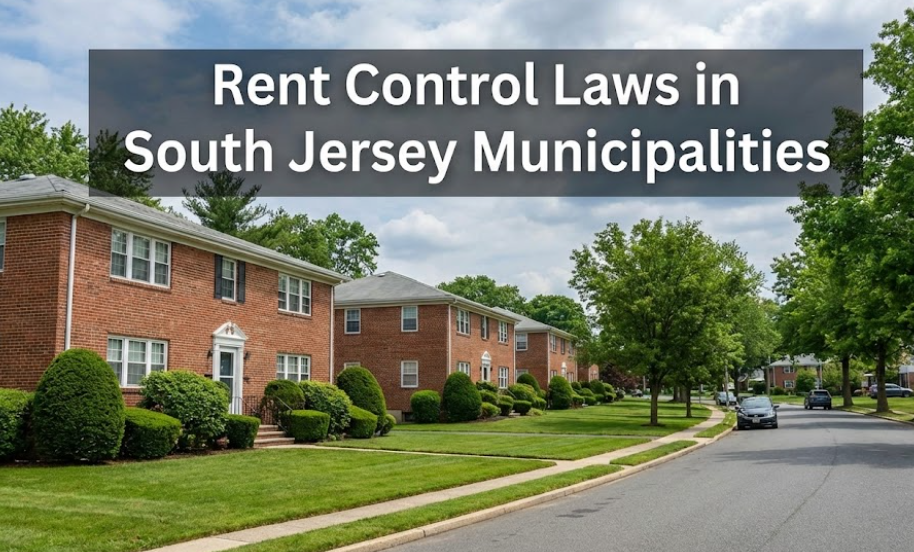
Rent control can significantly impact rental income, property value, and long-term investment strategy — yet many buyers are surprised to learn that rent control in New Jersey is set locally, not statewide.
That means rules vary widely from town to town across South Jersey.
Mary Murphy of The Murphy Group explains:
“Rent control isn’t universal in South Jersey, but where it exists, it can dramatically affect cash flow and resale value. Buyers need to understand the local rules before purchasing any rental property.”
Here’s what landlords, investors, and buyers need to know.
🏘️ 1. How Rent Control Works in New Jersey
New Jersey allows municipalities to establish their own rent control ordinances. These laws typically regulate:
- How much rent can increase annually
- When increases are permitted
- Whether capital improvements justify higher increases
- Tenant protections related to rent hikes
Some towns have detailed rent boards, while others have no rent control at all.
📍 2. Where Rent Control Is Common in South Jersey
Rent control is more commonly found in:
- Older, densely populated municipalities
- Towns with higher concentrations of multi-family housing
- Areas focused on tenant protection and housing affordability
Many suburban and rural South Jersey towns do not have rent control, making location a critical factor for investors.
💬 “Two neighboring towns can have completely different rules,” Mary notes.
“That’s why town-level research is essential.”
📈 3. How Rent Control Impacts Property Owners
For landlords, rent control can:
- Limit annual rent increases
- Affect long-term income growth
- Reduce flexibility when adjusting rents to market conditions
However, some ordinances allow:
- Increases tied to inflation
- Additional increases after renovations or capital improvements
- Rent adjustments upon tenant turnover
“Rent control doesn’t always mean frozen rents,” Mary explains.
“But it does mean more regulation.”
⚖️ 4. Buyer Due Diligence Is Critical
Before buying a rental property, buyers should confirm:
- Whether rent control applies
- The maximum allowable annual increase
- Registration or reporting requirements
- Tenant protections tied to rent stabilization
Failing to comply with local rent control laws can result in fines, tenant disputes, or legal challenges.
💼 5. How Rent Control Affects Resale Value
Rent-controlled properties may:
- Appeal to long-term investors seeking stability
- Be less attractive to buyers seeking rapid income growth
- Require careful valuation based on regulated income
Mary explains:
“Rent control changes how properties are valued. Buyers must analyze regulated income — not just market rent potential.”
💡 6. Best Practices for Buyers & Landlords
Property owners and buyers should:
✔ Research municipal ordinances before purchasing
✔ Review current tenant leases and rent histories
✔ Consult a real estate attorney or property manager
✔ Work with an agent familiar with local regulations
“Understanding rent control upfront prevents costly surprises later,” Mary emphasizes.
📲 Expert Guidance for South Jersey Rental Properties
Rent control laws can shape everything from cash flow to resale strategy. Whether you’re buying your first rental or expanding a portfolio, local expertise matters.
Mary Murphy and The Murphy Group help buyers and investors navigate South Jersey’s rental regulations, rent control ordinances, and investment opportunities with confidence.
Start your South Jersey property search with expert insight today:
www.mgsellsarizona.com

Mary Murphy
Team Leader | The Murphy Group | eXp Realty, LLC | PLACE
or another way