

Categories
Home Buying Tips, Home Buying Guides, property insurance, homeownership costs, swimming poolPublished October 12, 2026
The Real Cost of Owning a South Jersey Home With a Swimming Pool

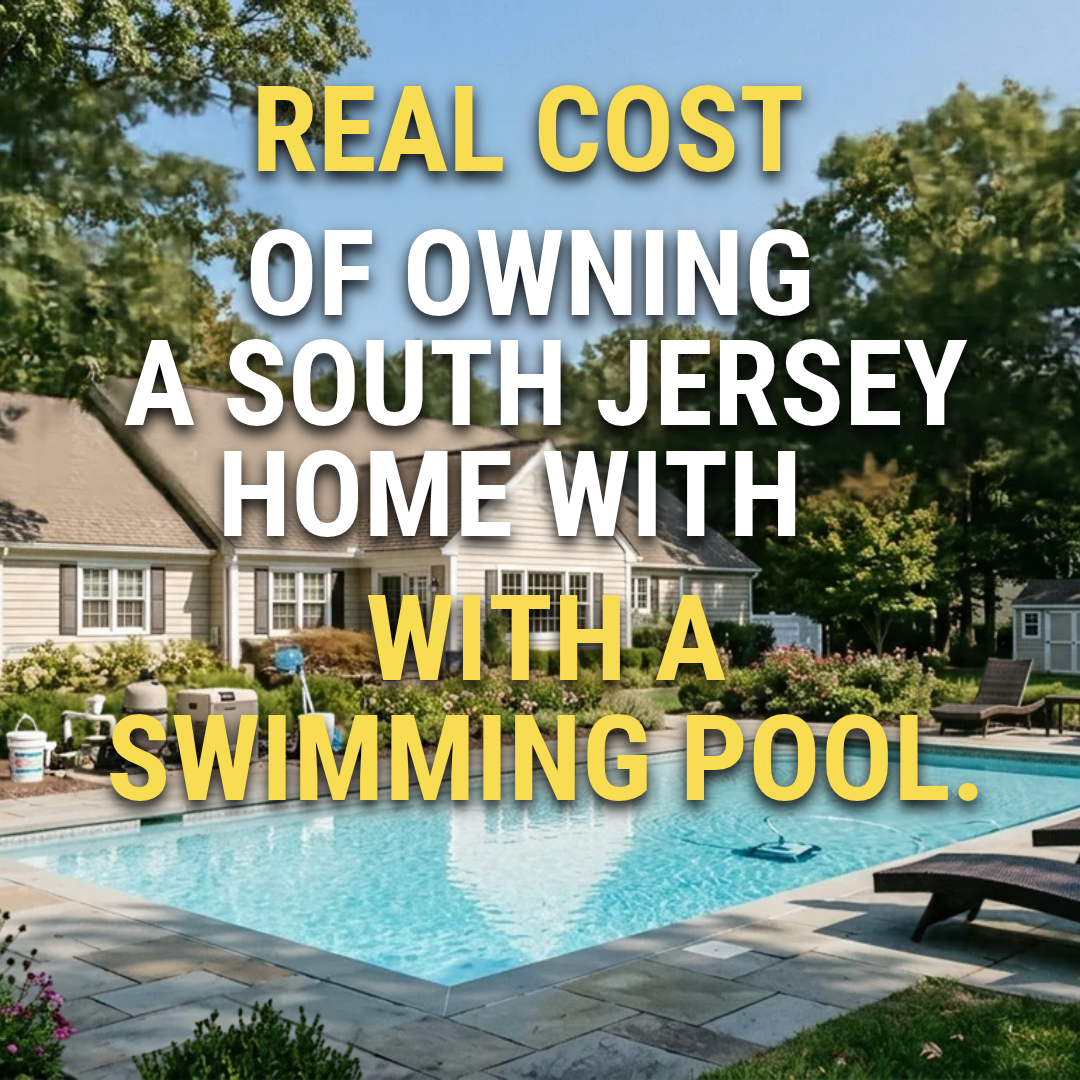
A backyard swimming pool can make a South Jersey home feel like a private retreat.
Imagine spending warm summer afternoons swimming with family, hosting weekend gatherings, or relaxing beside the water without leaving home. For many buyers, that lifestyle is a major attraction when comparing properties.
But before falling in love with a home that has an in-ground or above-ground pool, there is another question worth asking:
What will the pool actually cost you after closing?
The purchase price is only the beginning. Pool ownership can involve recurring maintenance, electricity, water, chemicals, seasonal opening and closing, equipment repairs, insurance considerations, and safety requirements.
Some expenses are predictable. Others may appear unexpectedly when a pump fails, a liner needs replacement, or the pool requires more extensive repairs.
As Mary Murphy of The Murphy Group explains:
“A swimming pool can be a wonderful feature, but buyers should look beyond the initial appeal. Understanding the ongoing costs helps them decide whether the lifestyle benefit fits their budget and long-term plans.”
If you are considering a South Jersey home with a swimming pool, here is what you should evaluate before making an offer.
🏊 1. Pool Maintenance Is a Recurring Expense
Swimming pools require regular attention to remain clean, safe, and functional.
Depending on the pool type, usage, and equipment, routine maintenance may include:
- Skimming leaves and debris
- Vacuuming the pool floor
- Brushing walls and steps
- Cleaning filters and skimmer baskets
- Testing and balancing water chemistry
- Monitoring water levels
- Inspecting pumps and circulation equipment
Some homeowners handle these tasks themselves, while others hire a professional pool service.
Doing the work yourself can reduce labor expenses, but it requires time, equipment, supplies, and enough knowledge to maintain the water properly. Professional service can provide convenience, although pricing and the scope of service vary.
When evaluating a property, ask the seller how the pool has been maintained and whether service records are available.
Also determine whether the seller's existing service arrangement can be continued or whether you will need to find a new provider.
🧪 2. Chemicals and Water Treatment Add Up
Pool water needs to be tested and balanced regularly. The specific treatment requirements depend on the pool's size, water chemistry, sanitation system, weather exposure, and frequency of use.
Common supplies may include:
- Sanitizers such as chlorine
- pH and alkalinity adjusters
- Water-testing supplies
- Algaecides when appropriate
- Filter-cleaning products
- Specialty treatments when water conditions require them
Saltwater pools also require ongoing water balancing and maintenance of their saltwater chlorination equipment. A saltwater system is not chemical-free.
During hot weather or periods of heavy use, water chemistry can require more frequent monitoring and adjustment.
When estimating your budget, ask what treatment system the pool uses and request a list of the supplies and services typically needed throughout the season.
⚡ 3. Electricity Can Increase Your Monthly Bills
A pool's operating equipment can contribute to household energy use, particularly during the months when the pool is running regularly.
Electrical consumption may come from:
- Circulation pumps
- Pool heaters
- Lighting
- Automatic covers
- Saltwater chlorination systems
- Other powered cleaning or control equipment
The impact on your bill depends on the equipment's efficiency, operating schedule, local utility rates, and whether the pool is heated.
A variable-speed pump, for example, may use less electricity than an older, less efficient pump when properly configured for the pool.
Before buying, ask the seller about the age and type of pool equipment. If possible, review utility bills from months when the pool was operating and compare them with the property's off-season usage.
This provides a more useful starting point than assuming every pool has the same operating cost.
🔥 4. Pool Heating Can Become a Major Cost
A heated pool can extend the swimming season, but heating water requires energy.
Depending on the system, a pool may use:
- Natural gas
- Propane
- Electricity
- A heat pump
- Solar heating equipment
Each option has different installation, operating, and maintenance considerations.
A gas heater may heat water relatively quickly, but operating costs depend on fuel prices and how often the heater runs. A heat pump may operate efficiently under suitable outdoor conditions but can heat more slowly and perform differently as temperatures change.
Solar heating can reduce reliance on conventional energy, but its effectiveness depends on system design, sunlight, weather, and the desired water temperature.
Ask the seller:
- Does the pool have a heater?
- What type of heater is installed?
- How old is the equipment?
- How often is the pool heated?
- Are repair or service records available?
If you plan to swim in May, September, or other cooler periods, make sure your projected budget reflects the additional heating you expect to use.
🍂 5. South Jersey's Seasons Affect Pool Ownership
A swimming pool in South Jersey is often a seasonal feature, but its care does not stop when summer ends.
Depending on the pool and equipment, seasonal responsibilities may include:
- Opening the pool in spring
- Inspecting and starting the circulation system
- Cleaning the pool after winter
- Checking for leaks or freeze-related damage
- Preparing equipment for colder weather
- Closing and winterizing the pool
- Installing or maintaining a winter cover
- Monitoring the pool area during the off-season
A properly planned closing can help protect plumbing, pumps, filters, and other components from freezing conditions.
Skipping recommended winterization or neglecting maintenance can increase the risk of costly repairs.
Ask whether the seller uses a professional opening and closing service and what the process includes. If you plan to handle these tasks yourself, understand the equipment manufacturer's requirements and the work involved before assuming you can easily manage it.
🛠️ 6. Pumps, Filters, and Heaters Eventually Need Repairs
Pool equipment has a useful life, but no component lasts forever.
Potential repair or replacement expenses include:
- Circulation pumps
- Filters and filter components
- Pool heaters
- Saltwater chlorination systems
- Automatic cleaners
- Timers and control systems
- Valves and plumbing
- Electrical components
A pool that looks beautiful from the patio may still have aging equipment that needs attention.
During your inspection period, identify the age, condition, and service history of the major components.
Look for signs such as unusual equipment noise, visible leaks, corrosion, inconsistent water circulation, or difficulty maintaining water chemistry.
A general home inspection may not fully assess specialized pool equipment. Consider a qualified pool professional's evaluation, especially if the pool is older or its maintenance history is unclear.
Do not assume that equipment is in good condition simply because the pool is currently filled with clear water.
🧱 7. The Pool Structure May Need Expensive Work
Equipment is only one part of pool ownership. The pool structure itself can require repairs as it ages.
The type of pool influences what you need to inspect.
In-ground concrete or gunite pools
These pools may require attention to the interior finish, coping, tile, decking, and surrounding structure. Surface deterioration, cracks, or movement deserve professional evaluation to determine their cause and severity.
Vinyl-liner pools
Vinyl liners can eventually become brittle, fade, tear, or require replacement. The pool's age, installation quality, water chemistry, and maintenance history can influence the liner's condition.
Fiberglass pools
Buyers should examine the shell, surface, coping, surrounding deck, and signs of movement or water intrusion. Any visible structural concern should be assessed by an appropriately qualified professional.
Above-ground pools
These pools may have liners, frames, supports, pumps, and other components that require replacement or repair. The condition of the base and surrounding area is also important.
Ask for records of major pool work and have visible defects evaluated before closing. A professional assessment can help you distinguish routine wear from issues that could require substantial spending.
💧 8. Water Use Can Increase Household Expenses
Filling a pool initially, replacing water lost through evaporation, cleaning filters, and maintaining the correct water level can increase water consumption.
Additional water may be needed after certain maintenance procedures or repairs.
The amount varies with pool size, weather, water loss, cleaning practices, and the type of equipment installed.
If the pool requires frequent refilling, investigate the reason. Some water loss is normal, but persistent or unusual loss could indicate a leak or another maintenance issue.
Ask the seller whether the pool has ever required leak detection or plumbing repairs.
If you suspect a leak, consider having a qualified pool professional investigate it rather than treating repeated refilling as an ordinary operating expense.
🛡️ 9. Homeowners Insurance May Need a Closer Look
A swimming pool can affect how an insurance company evaluates a property, including its liability exposure and safety features.
The actual effect on your premium or coverage depends on the insurer, policy, pool configuration, and other property characteristics.
Before closing, contact your insurance agent and disclose the pool. Ask whether the insurer has requirements involving fencing, gates, diving boards, slides, pool covers, or other features.
Also ask whether the policy includes appropriate liability coverage and whether an umbrella policy is worth considering for your circumstances.
Do not assume that the seller's current insurance arrangement will transfer to you or that every insurer will treat the pool identically.
Obtaining an insurance quote before your purchase becomes final helps you include the pool in your total ownership budget.
🚧 10. Pool Fencing and Safety Requirements Matter
Pool safety is not simply a matter of personal preference. Applicable building-code requirements and local rules may affect barriers, gates, access points, and related features.
New Jersey's construction requirements address residential pool barriers, and the applicable provisions depend on the pool and the current code requirements. Buyers should confirm the rules that apply to the specific property rather than relying on a general online description.
When evaluating the property, look for:
- A compliant pool barrier where required
- Gates and latches that function properly
- Secure access points
- Appropriate protection against unsupervised access
- Safe electrical installations and pool lighting
- Properly maintained drains and circulation equipment
If children will visit or live in the home, consider additional layers of protection, such as suitable alarms or an approved safety cover where appropriate.
Ask the municipality about permits, inspections, and any unresolved violations associated with the pool. A pool that was installed years ago is not automatically proof that all current or applicable requirements have been satisfied.
If corrections are needed, establish the scope and cost before closing.
📋 11. Verify Permits and Pool Installation Records
A pool is a significant property improvement, so documentation matters.
Ask the seller for available records related to:
- Original pool installation
- Building and electrical permits
- Required inspections or approvals
- Heater installation
- Electrical work and bonding
- Major repairs or renovations
- Pool barrier installation or modifications
The New Jersey Department of Community Affairs publishes the state's current construction-code information, while the local construction office can help identify requirements and records applicable to a particular property.
If permits or records are missing, do not automatically conclude that the pool is illegal. Instead, ask your attorney and the relevant municipal office how to verify the installation and address any outstanding concerns.
Unresolved permit issues can complicate future renovations, insurance discussions, and resale.
🌳 12. Pool Landscaping and Decking Need Ongoing Care
The area around the pool can create expenses of its own.
Depending on the property's layout, upkeep may include:
- Cleaning and sealing certain deck materials
- Repairing pavers or concrete
- Maintaining retaining walls
- Trimming trees and shrubs
- Removing leaves and debris
- Managing roots near hardscaping
- Maintaining drainage around the pool
- Repairing outdoor lighting
- Replacing damaged fencing
Trees can provide shade and privacy, but they may also drop leaves, seed pods, or other debris into the water.
Decking and surrounding surfaces should be evaluated for cracks, loose pavers, uneven sections, and drainage problems that could create maintenance or safety concerns.
When touring a property, look beyond the pool itself. The surrounding hardscape and landscaping can represent a meaningful part of the long-term maintenance commitment.
🧹 13. A Pool Cover Can Help, but It Is Not a Complete Solution
A suitable pool cover may reduce debris, help limit evaporation, and in some cases reduce heat loss.
However, the benefits depend on the cover type, how it is used, and the pool's design.
Possible options include:
- Winter covers
- Solar covers
- Automatic covers
- Other covers designed for particular pool systems
Each has different costs, maintenance needs, and safety characteristics.
Ask the seller whether a cover is included, what condition it is in, and whether it has been used and maintained according to the manufacturer's instructions.
Importantly, not every pool cover is designed to function as a safety barrier. Confirm the cover's intended purpose and applicable safety requirements before relying on it to prevent access.
📉 14. A Swimming Pool Does Not Guarantee a Higher Resale Price
A pool may be a major selling point for one buyer and a maintenance concern for another.
Its influence on resale depends on several factors, including:
- Local buyer preferences
- The property's price range
- The condition and design of the pool
- The amount of usable yard space remaining
- The overall condition of the home
- The quality of the pool's documentation
- The local market at the time of resale
Some buyers are specifically searching for a pool and may view it as an important lifestyle feature. Others may prefer a yard that requires less maintenance or offers more flexible outdoor space.
The pool's installation cost should not be treated as an automatic increase in the home's market value.
When comparing homes, look at recent sales of similar properties in the same market and consider whether buyers appear to value the pool in that location and price range.
💰 15. Build a Realistic Pool Ownership Budget
Before purchasing a pool home, organize the potential expenses into three categories.
Recurring expenses
- Routine cleaning and maintenance
- Chemicals and water testing
- Electricity and heating
- Water consumption
- Seasonal opening and closing
- Pool-related insurance costs, if applicable
Periodic expenses
- Equipment servicing
- Filter or component replacement
- Liner or interior-finish work
- Deck repairs
- Cover replacement
- Landscaping and drainage work
Unexpected expenses
- Pump or heater failure
- Plumbing leaks
- Structural repairs
- Electrical problems
- Storm-related damage
- Safety corrections or permit-related work
The exact budget will depend on the pool's size, type, age, condition, equipment, and how extensively you plan to use it.
Rather than relying on a single national average, request estimates from local pool service companies, ask the seller for available invoices and utility bills, and obtain professional evaluations for any suspected problems.
Then set aside a separate reserve for unexpected repairs. A pool can be affordable to operate in an ordinary year and still require a substantial expense when a major component fails.
🔍 16. What to Inspect Before Buying a Home With a Pool
A typical home inspection may not cover every aspect of a swimming pool. Depending on the property, a specialized evaluation may be worthwhile.
Your due-diligence checklist should include:
-
Pool shell, liner, or interior finish
-
Pumps, filters, heaters, and controls
-
Visible plumbing and signs of leaks
-
Water circulation and general water condition
-
Pool deck, coping, and surrounding hardscape
-
Drainage around the pool
-
Fencing, gates, and safety features
-
Available installation permits and inspection records
-
Equipment age and service history
-
Seasonal maintenance records
-
Insurance quote and coverage requirements
-
Estimated ongoing maintenance and utility costs
-
Any known defects, violations, or planned repairs
If the pool is closed for the season, testing may be limited. Ask your inspector or pool professional what can be evaluated at that time and whether additional inspection or testing should occur before closing.
Where significant defects are identified, obtain estimates so you can make an informed decision about repairs, negotiations, or whether the property remains a suitable choice.
🏡 17. Questions to Ask the Seller Before Making an Offer
The seller may have valuable information about how the pool operates and what it costs to maintain.
Consider asking:
- How old is the pool, and when was it last renovated?
- What type of pool and sanitation system does it use?
- How old are the pump, filter, and heater?
- What routine maintenance is performed?
- Who currently maintains the pool?
- Are service invoices and repair records available?
- Has the pool ever leaked or required structural repairs?
- Have there been problems with the heater or circulation system?
- Are the required permits and inspection records available?
- Have there been any insurance claims involving the pool?
- What safety equipment and barriers are included?
- What are the typical opening and closing procedures?
- Are there any known defects or recommended repairs?
- Can the seller provide utility bills that help illustrate seasonal operating costs?
The answers may not provide a perfect forecast of future expenses, but they can help you identify gaps in the property's maintenance history.
📊 18. Is a Pool Worth It for Your Lifestyle?
The financial decision is only part of the equation.
For a household that swims frequently, hosts summer gatherings, or enjoys outdoor recreation, a pool may provide considerable personal value.
For someone who travels often, rarely swims, or prefers minimal maintenance, the ongoing commitment may be less appealing.
Think about:
- How often you expect to use the pool
- Whether you enjoy handling maintenance tasks
- Whether you will hire a service provider
- How much yard space the pool occupies
- Whether the pool limits other outdoor activities
- How long you expect to own the home
- Whether the expenses fit your long-term budget
There is no universal answer. The right choice is the one that balances lifestyle benefits with the time, cost, and responsibilities you are comfortable taking on.
💼 How The Murphy Group Helps Buyers Look Beyond the Pool
At The Murphy Group, evaluating a home means considering more than its most eye-catching features.
A swimming pool can make a property stand out, but buyers also need to understand its condition, operating expenses, safety considerations, and potential effect on future resale.
The Murphy Group helps buyers identify important questions, compare the full ownership picture across properties, and coordinate due diligence with the appropriate inspection, insurance, lending, and legal professionals.
“The goal is to help buyers understand the whole property—not just the features that make them fall in love with it,” Mary says. “When buyers know what to expect, they can make decisions with greater confidence.”
📈 The Bottom Line
The real cost of owning a South Jersey home with a swimming pool extends beyond the purchase price.
Buyers should account for:
- Regular maintenance and water treatment
- Electricity, heating, and water consumption
- Seasonal opening and closing
- Equipment and structural repairs
- Landscaping and decking
- Insurance and liability considerations
- Safety requirements and permits
- Potential effects on future resale
A swimming pool can be a valuable lifestyle feature, but its financial impact depends on its condition, design, operating needs, and the way you intend to use it.
Before you buy, investigate the pool as carefully as you investigate the house. Request maintenance records, obtain a professional pool evaluation when appropriate, verify permits and safety features, and build a realistic ownership budget.
That way, your backyard retreat can be a well-informed choice—not an unexpected financial burden.
📲 Thinking About Buying a Home With a Pool in South Jersey?
The Murphy Group helps buyers evaluate homes beyond the listing photos, understand important ownership considerations, and navigate the South Jersey real estate market with greater confidence.
👉 Start here: www.mgsells.com

Mary Murphy
Team Leader | The Murphy Group | eXp Realty, LLC | PLACE
or another way