

Categories
New Jersey Real Estate, Real Estate Guides, Home Selling Tips, Seller StrategiesPublished January 29, 2026
New Jersey Real Estate Disclosure Laws Explained

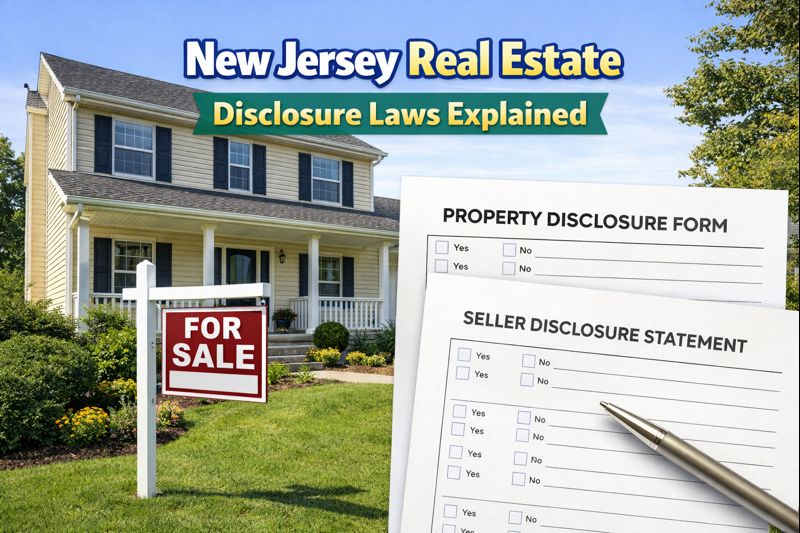
Buying or selling a home in New Jersey comes with specific legal requirements regarding disclosure. Sellers must inform buyers of known issues, and understanding these rules can prevent disputes and protect all parties in a transaction.
Mary Murphy of The Murphy Group explains:
“Disclosure isn’t just paperwork — it’s about transparency. Both buyers and sellers benefit from knowing what they’re really dealing with before closing.”
Here’s what you need to know about NJ disclosure laws.
🏡 1. What Sellers Must Disclose
Sellers in New Jersey are legally required to disclose known material defects that could affect the property’s value or safety. These include:
- Structural issues (foundation cracks, roof problems)
- Water intrusion, mold, or termite damage
- Environmental hazards (lead paint, asbestos)
- Past flooding or drainage problems
- Defective systems (electrical, plumbing, HVAC)
- Zoning or easement limitations
Mary notes:
“If a seller is aware of a problem, even minor, it should be disclosed. Omissions can lead to legal liability.”
📄 2. NJ Seller Disclosure Form
- Most NJ transactions require a Seller’s Property Condition Disclosure Statement
- Covers physical condition, environmental concerns, and legal matters
- Completed honestly and fully to protect both parties
“This form isn’t optional — it’s a key part of a smooth closing,” Mary emphasizes.
⚖️ 3. Buyer Protections
- Buyers can request inspections and additional disclosures
- Failure to disclose can lead to contract rescission or damages
- Buyers should review all disclosures carefully and ask questions
Mary adds:
“A knowledgeable agent helps buyers interpret disclosures and uncover potential issues.”
🛠️ 4. Common Misunderstandings
- Sellers only need to disclose what they know, not every potential problem
- Cosmetic issues (like paint chips) generally don’t require disclosure
- Agents cannot replace the seller’s legal obligation to disclose
“Disclosure protects everyone,” Mary notes.
“It reduces surprises and builds trust during the transaction.”
💡 5. Tips for a Smooth Transaction
✔ Sellers: Complete forms honestly and provide documentation
✔ Buyers: Review disclosures carefully and hire professional inspectors
✔ Agents: Facilitate communication and clarify any ambiguities
Mary adds:
“Transparency upfront prevents costly disputes later. Both parties walk away confident.”
📲 Expert Guidance on NJ Disclosures
Navigating New Jersey disclosure laws can be tricky, but with the right guidance, buyers and sellers can stay protected and informed.
Mary Murphy and The Murphy Group ensure all disclosures are completed properly and help clients understand what they mean — making real estate transactions smoother and safer.
Learn more and get guidance for your NJ home transaction today:
www.mgsellsarizona.com

Mary Murphy
Team Leader | The Murphy Group | eXp Realty, LLC | PLACE
or another way