

Categories
New Jersey Real Estate, Real Estate Guides, Real Estate Market Insights, Home Selling TipsPublished January 20, 2026
Understanding NJ CO & Smoke Certification Requirements

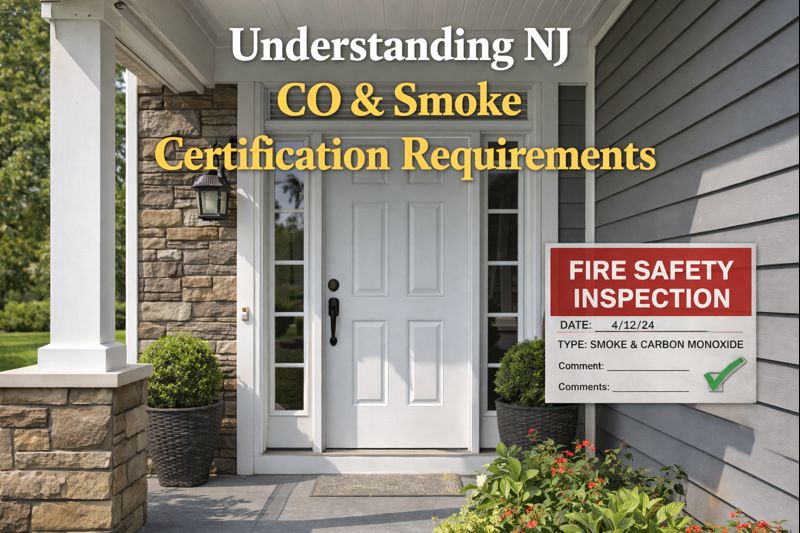
In New Jersey, selling a home involves more than pricing and staging — it also requires passing a Carbon Monoxide (CO) and Smoke Detector Certification inspection before closing.
This step is mandatory in most residential sales and can delay or even derail a transaction if overlooked.
Mary Murphy of The Murphy Group explains:
“CO and smoke certifications are one of the most common last-minute issues we see. The good news is they’re easy to handle — as long as sellers prepare early.”
Here’s what buyers and sellers need to know.
🚨 1. What Is the CO & Smoke Certification?
The CO & Smoke Certification confirms that a home meets New Jersey fire safety codes, including proper placement and functionality of:
- Smoke detectors
- Carbon monoxide detectors
This inspection is typically conducted by the local fire department or municipal office and must be completed before closing.
🏠 2. Who Is Responsible?
In most New Jersey transactions:
- Sellers are responsible for obtaining the certification
- The certificate is required before title transfer
- Responsibility can be negotiated, but this must be clearly stated in the contract
Mary notes:
“Even if responsibility is negotiated, sellers usually handle it to keep the deal moving smoothly.”
📏 3. Detector Placement Requirements
While requirements may vary slightly by municipality, general NJ standards include:
Smoke Detectors:
- One on every level of the home
- One outside each sleeping area
Carbon Monoxide Detectors:
- Within 10 feet of sleeping areas
- On each habitable level if fuel-burning appliances or an attached garage are present
“Improper placement is the most common reason homes fail inspection,” Mary explains.
❌ 4. Common Reasons Homes Fail Inspection
Some of the most frequent issues include:
- Missing or non-functioning detectors
- Dead batteries
- Incorrect placement
- Older detectors that don’t meet current code
💬 “These are small fixes, but they can delay closing if not addressed early,” Mary says.
⏱️ 5. When to Schedule the Inspection
Sellers should schedule the CO & smoke inspection:
- After moving out or close to final walkthrough
- At least 1–2 weeks before closing
- Early enough to allow time for corrections
Many municipalities charge a small inspection fee, and re-inspections may require additional fees.
💡 6. Tips for a Smooth Certification Process
Sellers should:
✔ Install new detectors if unsure of age or compliance
✔ Test all alarms before inspection
✔ Confirm local requirements with the municipality
✔ Keep inspection documentation accessible for closing
“Preparation turns this into a non-issue,” Mary emphasizes.
“It’s one of the simplest parts of the selling process when handled correctly.”
📲 Expert Guidance for NJ Buyers & Sellers
CO and smoke certification is a small but critical step in New Jersey real estate transactions. With proper planning and expert guidance, it doesn’t have to slow your sale.
Mary Murphy and The Murphy Group help New Jersey sellers stay compliant, avoid delays, and close with confidence.
Start your home sale or purchase with expert support today:
www.mgsellsarizona.com

Mary Murphy
Team Leader | The Murphy Group | eXp Realty, LLC | PLACE
or another way