

Categories
Burlington County, Camden County, Gloucester County, Housing Guide, Home Buying Tips, Home Buying Guides, New Jersey Real Estate, Real Estate Guides, South Jersey Real EstatePublished May 4, 2026
The Growing Demand for Flexible Living Spaces

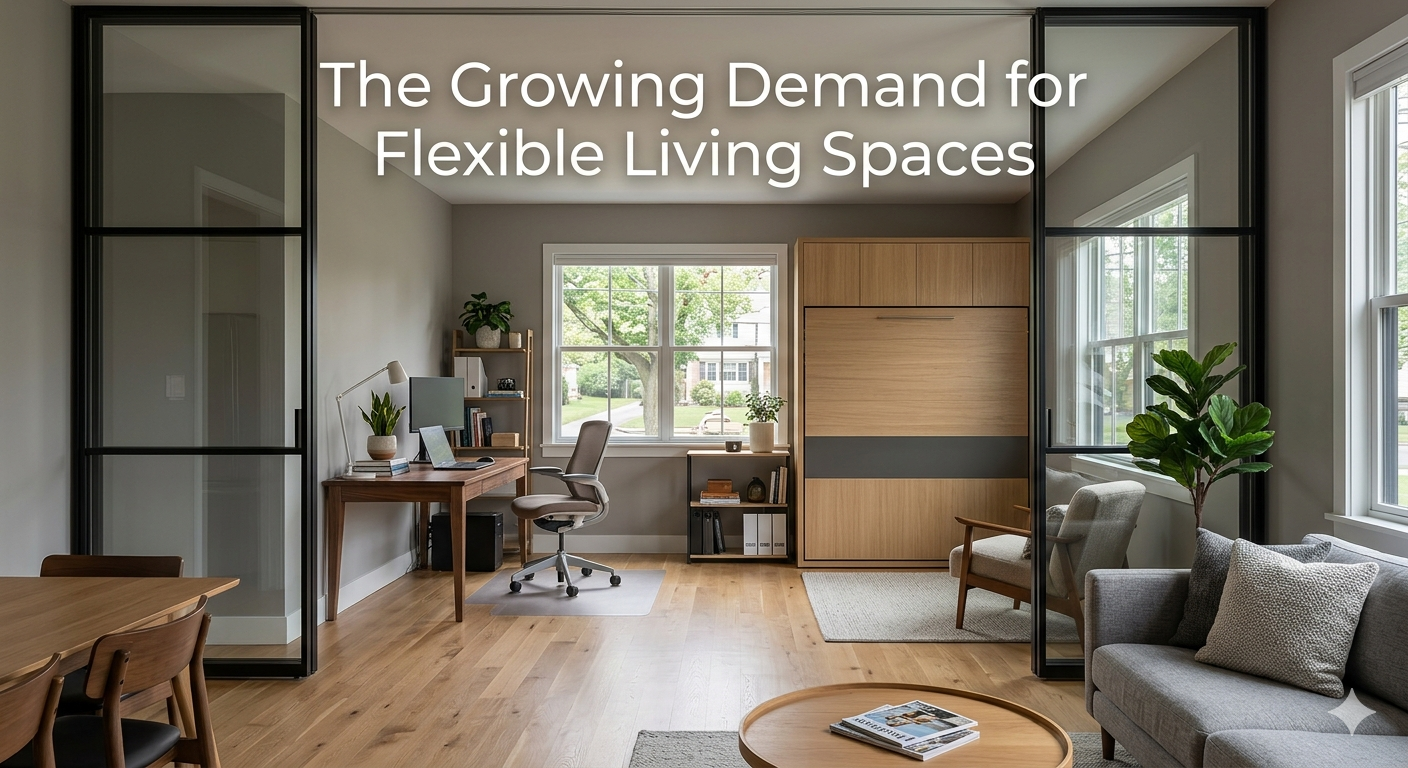
The way people live at home has changed—and so has what they expect from it.
Today’s buyers aren’t just looking for more space.
👉 They’re looking for smarter space.
Across New Jersey, one trend is standing out above the rest:
the demand for flexible living spaces.
As Mary Murphy of The Murphy Group explains:
“Buyers want homes that can adapt. It’s not about having more rooms—it’s about having the right kind of rooms.”
🧠 What Is a Flexible Living Space?
A flexible (or “flex”) space is designed to serve multiple purposes over time.
Instead of being locked into one function, it can evolve with the homeowner’s needs.
For example, a single room might function as
- A home office during the week
- A guest room on weekends
- A workout or wellness space in the evenings
It’s about versatility—and making every square foot count.
📈 Why Buyers Are Prioritizing Flexibility
1. Hybrid Work Is Here to Stay
With more people working remotely or on hybrid schedules, the need for adaptable workspaces has grown.
Buyers want:
- Quiet areas for calls and focus
- Spaces that can be “closed off” when needed
- Separation between work and personal life
2. Homes Need to Grow With Life Changes
Today’s households are more dynamic than ever:
- Families expanding
- Adult children staying longer
- Multi-generational living increasing
Flexible layouts allow buyers to adapt without needing to move again.
3. Buyers Are Thinking Long-Term
Instead of asking, “Does this work right now?” buyers are asking:
👉 “Will this still work for me in five years?”
That mindset is driving demand for spaces that can shift with changing needs.
4. Efficiency Over Excess
Buyers are becoming more intentional about space.
Rather than oversized homes with underused rooms, they prefer:
- Right-sized homes
- Multi-functional layouts
- Practical design over formality
🏡 What Flexible Living Looks Like in Today’s Homes
1. Multi-Use Bonus Rooms
Unfinished or semi-finished areas that can be customized for different uses over time.
2. Office-to-Guest Room Conversions
Rooms staged as offices but easily transformed into guest accommodations.
3. Finished Basements With Versatility
Basements are no longer just storage—they’re:
- Entertainment zones
- Fitness areas
- Secondary living spaces
4. Open Layouts With Defined Zones
Instead of fully open floor plans, buyers prefer spaces that allow:
- Flow and openness
- Optional separation when needed
5. Outdoor Spaces With Multiple Uses
Backyards are being used for:
- Relaxation
- Entertaining
- Work-from-home breaks
Flexibility extends beyond the interior.
⚠️ Why Homes Without Flexibility Struggle
Even beautiful homes can lose appeal if they feel too rigid.
1. Single-Purpose Rooms
Formal dining rooms or unused spaces may feel outdated if they lack adaptability.
2. Poor Layout Flow
Homes that don’t allow easy transitions between uses can feel limiting.
3. Wasted Square Footage
Unused rooms reduce perceived value in a market where efficiency matters.
4. Stronger Competition
Buyers comparing multiple listings often choose the home that offers more options—not just more space.
🧠 The Psychology Behind the Trend
Flexible living spaces offer something deeper than functionality:
👉 Peace of mind.
Buyers feel more confident knowing:
- Their home can evolve
- They won’t outgrow it quickly
- They have options for the future
That confidence often translates into stronger interest—and faster decisions.
💼 How The Murphy Group Positions Flexible Homes
At The Murphy Group, flexibility is a key part of how homes are marketed and presented.
Their strategy includes:
- Staging rooms to showcase multiple uses
- Writing listing descriptions that highlight adaptability
- Helping sellers rethink underused spaces before listing
- Positioning homes as long-term lifestyle solutions
- Aligning marketing with what today’s buyers actually value
“Flexibility isn’t just a feature,” Mary says. “It’s a selling advantage.”
📊 The Bottom Line
Flexible living spaces are no longer a bonus in New Jersey real estate.
They are quickly becoming a must-have.
Buyers are prioritizing homes that:
- Adapt to changing lifestyles
- Maximize functionality
- Offer long-term value
Because in today’s market, the most desirable homes aren’t just well-designed—
👉 They’re designed to change with you.
📲 Want to Find or Sell a Home That Fits Modern Living?
The Murphy Group helps buyers and sellers across New Jersey navigate evolving trends—so every home is positioned for how people actually live today.
👉 Start here: www.mgsells.com

Mary Murphy
Team Leader | The Murphy Group | eXp Realty, LLC | PLACE
or another way