

Categories
natural light, Real Estate Guides, South Jersey Real Estate, Home Buying Tips, Home Buying Guides, Burlington County, Camden County, energy efficienc, home privacyPublished October 12, 2026
How a Home’s Orientation Affects Natural Light, Privacy, and Everyday Comfort

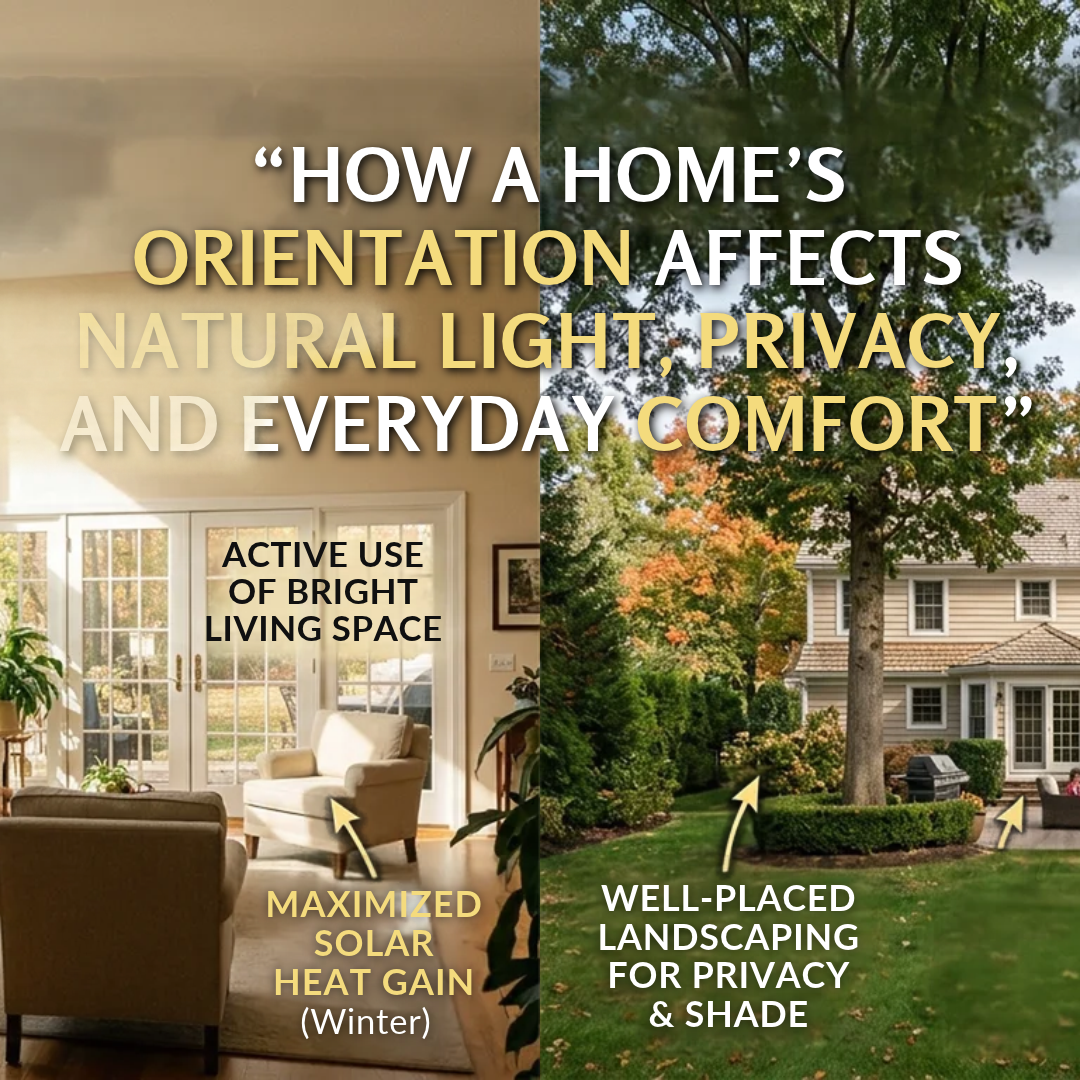
When buyers tour a home, they often focus on the kitchen, bathrooms, bedrooms, and overall layout. But there's another feature that can significantly influence how comfortable a property feels every day: the direction the home faces and how it sits on the lot.
A home's orientation affects how sunlight enters different rooms, when outdoor spaces receive shade, how much privacy windows provide, and how the interior responds to seasonal temperature changes.
Two homes with similar square footage and nearly identical floor plans can feel surprisingly different because of their orientation, window placement, surrounding trees, and neighboring buildings.
In South Jersey, where homeowners experience cold winters, warm summers, and changing daylight throughout the year, these details deserve attention before making a purchase.
As Mary Murphy of The Murphy Group explains:
"A home's appeal isn't just about what you see during a showing. It's also about how the home feels throughout the day, how the sunlight moves through the rooms, and whether the property supports the way you want to live."
Understanding home orientation can help buyers recognize advantages they might otherwise overlook—and identify potential drawbacks before they become everyday frustrations.
☀️ 1. What Does Home Orientation Actually Mean?
Home orientation describes how a house is positioned relative to the compass directions, surrounding landscape, and path of the sun.
It includes more than whether the front door faces north, south, east, or west.
Buyers should also consider:
- Which direction the largest windows face
- Where the primary living areas are located
- How the backyard is positioned
- Whether neighboring homes block sunlight
- How mature trees affect light and shade
- Whether porches, roof overhangs, or other structures block the sun
For example, a home with a north-facing front entrance may still have a bright, sun-filled living room if its largest windows face south.
The key is to evaluate the orientation of the entire property, not just the front of the house.
🌅 2. East-Facing Homes: Enjoying Morning Sunlight
East-facing windows generally receive direct sunlight earlier in the day, making them appealing to buyers who enjoy bright mornings.
Depending on the layout, east-facing exposure can be particularly pleasant in:
- Breakfast nooks
- Kitchens
- Bedrooms
- Morning reading areas
- Home offices used early in the day
Morning sunlight can make these spaces feel inviting without necessarily exposing them to the strongest late-afternoon sun.
However, east-facing windows may also produce glare during certain hours. Buyers who work at a computer near a large east-facing window should consider whether blinds or adjustable shades will be needed.
If you prefer waking up to natural light or enjoying a bright breakfast area, east-facing exposure may be an advantage worth looking for.
🌤️ 3. West-Facing Homes: Afternoon Sun and Evening Comfort
West-facing windows typically receive more direct sunlight later in the day.
This can create a warm, bright atmosphere in living rooms, dining areas, and other spaces used in the afternoon or evening.
For buyers who enjoy natural light after work, this orientation may be appealing.
However, afternoon sunlight can also create challenges, particularly during South Jersey's warmer months.
Potential concerns include:
- Glare on televisions and computer screens
- Warmer rooms late in the afternoon
- Increased demand for air conditioning
- Fading of furnishings exposed to sunlight over time
- Reduced comfort in rooms without effective shading
Exterior trees, awnings, appropriate window treatments, and energy-efficient glazing can help manage these effects.
When touring a west-facing home, pay attention to the temperature and brightness of the rooms you expect to use most often in the late afternoon.
🌞 4. South-Facing Windows: A Balance of Light and Seasonal Heat
South-facing windows can be especially useful for bringing sunlight into a home during winter.
In the Northern Hemisphere, the sun follows a lower path across the southern sky during winter and a higher path during summer. As a result, properly designed south-facing windows and overhangs can help admit useful winter sunlight while limiting some summer sun.
Potential benefits include:
- Bright common living areas
- Useful daylight during shorter winter days
- Opportunities for passive solar heating
- Reduced dependence on artificial lighting in certain spaces
However, orientation alone doesn't guarantee comfort or energy savings. Window size, glazing, insulation, roof overhangs, and shading all influence the outcome.
A home with large south-facing windows and effective summer shading may perform differently from one with the same orientation but older, inefficient windows.
For buyers who value natural light throughout the year, south-facing living areas are worth evaluating closely.
🌥️ 5. North-Facing Windows: Softer, More Consistent Light
North-facing windows generally receive less direct sunlight than south-facing windows, although they can still provide useful natural illumination.
Their light is often more diffuse, making this exposure appealing for certain activities and room types.
Potential advantages include:
- Less direct glare during many daytime hours
- More consistent light for reading, working, or creative projects
- Less direct solar heat gain through those windows
- A comfortable environment for rooms where harsh sunlight is undesirable
The trade-off is that north-facing rooms may feel darker, particularly if they have small windows, dark finishes, or obstructions outside.
During a showing, notice whether the room feels naturally comfortable or whether you would need artificial lighting for much of the day.
A north-facing room isn't automatically a disadvantage. Its suitability depends on how you intend to use it and how effectively the home distributes daylight.
🏡 6. Why the Backyard's Orientation Matters
For many South Jersey buyers, the backyard is an extension of the living space.
The direction it faces can influence when the patio receives sunlight, where afternoon shade falls, and how comfortable outdoor entertaining feels.
Consider your preferred activities:
- Morning coffee on the patio
- Afternoon playtime with children
- Gardening and growing vegetables
- Evening barbecues
- Relaxing beneath a shaded pergola
- Entertaining guests outdoors
A backyard with substantial afternoon sun may be attractive to buyers who want a sunny garden or space for sun-loving plants. Buyers who prefer cooler outdoor seating may appreciate afternoon shade instead.
Before deciding, observe the yard's sun exposure and consider the position of the house, trees, fences, and neighboring buildings.
The ideal backyard isn't necessarily the sunniest one. It's the one that supports the way you plan to use it.
🌳 7. Trees and Neighboring Buildings Can Change Everything
A home's compass direction provides only part of the picture.
Large trees, nearby houses, garages, fences, and other structures can significantly change how much daylight reaches a property.
A south-facing window may receive limited sunlight if a mature tree or neighboring building blocks the exposure. Meanwhile, a home with less favorable orientation may still feel bright because it has well-positioned windows and an open surrounding landscape.
During a showing, look for:
- Tall trees near major windows
- Neighboring homes that cast long shadows
- Dense vegetation along the property line
- Buildings that block morning or afternoon sunlight
- Seasonal changes that could affect shade
Deciduous trees can provide shade in summer while allowing more sunlight through bare branches during winter. Evergreen trees generally maintain more of their screening throughout the year.
If a neighboring property has substantial trees or structures, consider how those features may affect light and privacy even if they are not on the property you're purchasing.
🪟 8. Window Placement Can Matter More Than the Front Door
Buyers sometimes use the direction of the front entrance as a shortcut for judging a home's sunlight.
That can be misleading.
The size, height, number, and placement of windows often have a greater influence on the light entering individual rooms.
For example, a home with a north-facing entrance might have a bright southern exposure across the rear of the property. Another home might face south at the front but have relatively small windows and shaded living areas.
Look beyond the exterior and evaluate the window arrangement throughout the house.
Pay particular attention to:
- Living rooms and family rooms
- Kitchens and dining spaces
- Bedrooms
- Home offices
- Finished basements with windows
- Rooms used most often during the day
Large windows can improve daylight, but their performance also depends on glass efficiency, shading, and the surrounding environment.
🔒 9. How Orientation Can Influence Privacy
Natural light and privacy sometimes compete with each other.
A room with large windows may feel bright and open, but it can also expose interior spaces to neighboring homes, sidewalks, or streets.
This is particularly relevant in South Jersey neighborhoods where homes may sit relatively close together.
When touring a property, consider:
- Whether neighbors can see directly into living areas
- Whether bedroom windows face another home's windows
- Whether the backyard is visible from nearby properties
- Whether street-facing rooms need blinds throughout the day
- Whether outdoor seating areas feel exposed
The goal is to find a balance between daylight and the level of privacy you want.
A home with thoughtfully positioned windows may provide a sense of openness without making every room visible to the neighborhood.
🪴 10. Landscaping Can Improve Privacy Without Sacrificing Light
Landscaping can help address privacy concerns created by a home's orientation or window placement.
Depending on the property, useful options may include:
- Strategically placed deciduous trees
- Layered shrubs along exposed property lines
- Privacy hedges
- Trellises with climbing plants
- Outdoor screens or pergolas
- Carefully positioned patio seating
However, landscaping decisions should account for mature plant size, maintenance requirements, local restrictions, and the potential effect on sunlight.
A dense evergreen hedge planted directly in front of a primary window could improve privacy while making the interior noticeably darker.
Before planning changes, consider how plants will grow over time and whether their eventual size will block desirable light or interfere with structures.
For buyers, existing landscaping can be an advantage—but it should be evaluated for both privacy and long-term upkeep.
🌡️ 11. Home Orientation Can Affect Indoor Temperature
Sunlight contributes to indoor heat gain, so the orientation of windows can influence how rooms feel throughout the day.
Rooms with significant afternoon exposure may become warmer in summer, while spaces with limited winter sunlight may feel cooler depending on insulation, air leakage, and the heating system.
In South Jersey, buyers should consider both seasonal comfort and the home's overall energy performance.
Look for signs that the property manages temperature effectively:
- Insulated windows and doors
- Effective exterior shading
- Proper attic and wall insulation
- Consistent heating and cooling
- Limited drafts around windows
- Appropriate ventilation
A sunny room isn't automatically energy-efficient, and a shaded room isn't automatically uncomfortable.
The building envelope, window quality, HVAC performance, and shading strategy all work together to determine how comfortable the home feels.
💡 12. Natural Light Can Influence Everyday Energy Use
A well-lit home may require less artificial lighting during daylight hours.
Strategic window placement can also influence heating and cooling demand, depending on the amount of sunlight entering the home and how effectively unwanted heat gain or heat loss is controlled.
The U.S. Department of Energy explains that daylighting strategies consider window placement, interior design, and shading to improve natural illumination while managing temperature and glare.
Source: U.S. Department of Energy — Energy 101: Daylighting.
When comparing properties, don't assume that a particular orientation automatically guarantees lower utility bills.
Instead, consider the combination of:
- Window size and efficiency
- Insulation and air sealing
- Roof and exterior shading
- Heating and cooling equipment
- Thermostat settings and household habits
A home's orientation can contribute to comfort and energy performance, but the entire building must be considered.
🛋️ 13. Room Layout Determines How Useful the Sunlight Is
Even a well-oriented home may not feel bright if the rooms are poorly positioned or the interior layout restricts light.
A sunny kitchen may be less useful if the family spends most of the day in a dark living room. Similarly, a bright home office may be uncomfortable if direct sunlight creates persistent glare on a computer screen.
During a showing, ask yourself:
- Are the rooms I use most often receiving useful daylight?
- Is the kitchen bright during the hours I prepare meals?
- Does the living room have comfortable light for reading or watching television?
- Can I work comfortably near the windows?
- Are hallways and interior spaces excessively dark?
Open layouts, lighter wall colors, interior glazing, and appropriately positioned windows can help distribute daylight.
The most important question is not whether every room receives direct sunlight. It's whether the light supports your daily routines.
🛏️ 14. Bedroom Orientation Can Influence Your Routine
The direction a bedroom faces may affect how sunlight enters the room and when it feels brightest.
An east-facing bedroom may receive morning sunlight, which some buyers enjoy when waking up. A west-facing bedroom may receive stronger afternoon or evening sunlight, potentially affecting room temperature during warmer weather.
North-facing bedrooms may receive softer daylight, while south-facing bedrooms may experience more seasonal changes in direct sun.
Think about your household's schedule:
- Do you wake up early and enjoy morning light?
- Do you work night shifts and need a darker bedroom during the day?
- Are you sensitive to early-morning sunlight?
- Do you prefer a cooler bedroom in the evening?
Blackout curtains, blinds, and efficient windows can help manage light, but buyers should consider how much adjustment they'll need to feel comfortable.
🖥️ 15. Home Offices Need the Right Kind of Light
For buyers who work remotely or maintain a dedicated office, window orientation can have a noticeable effect on the work environment.
Natural light can make an office more inviting, but direct sunlight may cause glare on screens or make it difficult to see clearly.
Consider the position of the desk relative to the windows.
Useful questions include:
- Can the desk be placed perpendicular to the window?
- Does direct sun hit the screen during work hours?
- Are adjustable shades available?
- Is the room bright enough without being uncomfortable?
- Can video calls be conducted without strong backlighting?
A room with consistent, indirect daylight may be more practical for computer work than one with intense direct sun at the wrong time of day.
If a home office is essential to your lifestyle, try to evaluate the room during the hours you would normally use it.
🌿 16. Orientation Can Affect Gardening and Outdoor Maintenance
Buyers who enjoy gardening should pay close attention to sunlight patterns across the property.
Different plants have different light requirements, and the amount of sun available can affect what will grow successfully.
A sunny garden may support plants that need several hours of direct sunlight. Shadier areas may be more suitable for shade-tolerant varieties.
Consider whether the yard provides the conditions needed for your plans, including:
- Vegetable gardens
- Flower beds
- Container gardens
- Lawn areas
- Shade gardens
- Outdoor entertaining spaces
Also consider how sunlight interacts with moisture and drainage. Shaded areas may dry more slowly after rainfall, while exposed areas can experience greater heat and moisture loss.
If gardening is a priority, observe the actual conditions and research the needs of the plants you intend to grow instead of relying on orientation alone.
🕒 17. Why One Showing May Not Tell the Whole Story
A home can look bright during a midday showing and feel quite different early in the morning or late in the afternoon.
Sunlight changes with the time of day, season, cloud cover, and surrounding shadows.
A showing also may not reveal how the property performs during winter, when daylight hours are shorter and the sun follows a different path.
If orientation is important to you, consider:
- Visiting at another time of day, when feasible
- Asking about the home's seasonal light patterns
- Observing the direction of major windows
- Checking nearby trees and structures
- Looking at how the property is shaded during the visit
- Reviewing the home again before finalizing major decisions, where your contract and schedule permit
You can also use a compass app or mapping tools to help establish directions, but treat these as aids rather than substitutes for observing the property itself.
🔎 18. What Buyers Should Check During a Showing
A practical assessment doesn't require specialized equipment. Start by observing the home's natural light and how the property interacts with its surroundings.
During your visit, check:
- Which direction the front, rear, and major windows face
- Which rooms receive direct sunlight
- Whether neighboring structures block the light
- Whether the backyard is sunny or shaded
- Whether windows expose private areas to neighbors
- Whether the rooms feel too warm or noticeably chilly
- Whether blinds or curtains are needed to manage glare
- Whether trees provide useful shade or block desirable daylight
- Whether the layout supports your normal routines
If you notice temperature inconsistencies, drafts, damaged windows, or other concerns, ask your inspector to evaluate the relevant components within the scope of the inspection.
For more substantial questions about energy performance, an energy audit may help identify opportunities to improve insulation, air sealing, windows, and temperature control.
⚠️ 19. Common Mistakes Buyers Make When Evaluating Orientation
A few assumptions can cause buyers to overlook important details.
Assuming south-facing always means better
South-facing windows can offer useful daylight and winter solar gain, but the results depend on window design, shading, and the home's construction.
Judging the entire property by the front entrance
The front of the home may receive little sunlight even when the backyard and main living areas are bright.
Ignoring neighboring properties
A home's exposure can change if nearby trees grow or neighboring buildings block the sun.
Focusing on brightness without considering glare
Strong sunlight can make a room bright but uncomfortable for reading, working, or watching television.
Assuming more sunlight always means lower utility bills
Solar heat can be beneficial in winter and unwanted in summer. Energy performance depends on multiple building features.
Forgetting about privacy
Large windows can be attractive, but their placement may expose bedrooms, living rooms, or patios to nearby homes.
The best evaluation considers the property's orientation alongside its layout, windows, surroundings, and your personal preferences.
💼 How The Murphy Group Helps Buyers Look Beyond the Floor Plan
At The Murphy Group, helping buyers choose the right property means considering more than bedroom counts, finishes, and square footage.
Home orientation can help explain why one property feels bright and welcoming while another with a similar layout feels darker, warmer, or less private.
The Murphy Group helps buyers evaluate important lifestyle factors, including:
- Natural light in the rooms they use most
- Backyard exposure and outdoor usability
- Window placement and privacy
- Potential comfort concerns
- Features that may influence energy performance
- How the property fits their routines and long-term needs
"The right home should work for the way you live," Mary Murphy explains. "Looking at sunlight, privacy, and comfort helps buyers understand what everyday life in the property may actually feel like."
By considering these details early, buyers can compare homes more thoughtfully and make decisions that extend beyond the first impression.
📊 The Bottom Line
A home's orientation can influence natural light, indoor temperature, privacy, outdoor enjoyment, and everyday comfort.
Before purchasing a South Jersey property, consider:
- How east-, west-, north-, and south-facing windows affect each room
- Whether trees or nearby buildings block sunlight
- How the backyard functions at different times of day
- Whether windows provide both daylight and privacy
- How the home manages glare and seasonal heat
- Whether the layout supports your daily routines
- How windows, insulation, shading, and HVAC systems work together
The best home orientation is the one that supports your lifestyle—not simply the one that faces a particular direction.
When buyers understand how a property interacts with sunlight and its surroundings, they can make a more informed decision about whether the home will feel comfortable long after moving day.
📲 Looking for a Home That Fits Your Lifestyle in South Jersey?
The Murphy Group helps buyers look beyond listing photos to evaluate the features, location, and everyday details that make a house feel like the right home.
👉 Start here: www.mgsells.com

Mary Murphy
Team Leader | The Murphy Group | eXp Realty, LLC | PLACE
or another way